Medications
Weight-loss injections in New Zealand: the complete guide to safe, legal access
Wegovy, Mounjaro, retatrutide and the black market: which weight-loss injections are approved in NZ?

Well Revolution
September 20, 2026

Wegovy, Mounjaro, retatrutide and the black market: which weight-loss injections are approved in NZ?

For the first time, New Zealanders have access to weight-loss medicines that genuinely work. In clinical trials, the weekly injections now available here helped people lose 15 to 21 percent of their body weight on average, along with improvements that matter more than any number: energy, mobility, sleep, blood pressure, blood sugar, and the background load that excess weight places on joints and heart.
The same demand has also built a black market. In 2026, a Re: News investigation showed a journalist buying a $200 vial of unapproved peptide powder on an Auckland street within 42 minutes of first contact, one transaction in a trade that has New Zealand's drug-checking service fielding peptide enquiries daily.
So this guide covers both halves of the story: what is genuinely available in New Zealand, who it suits, how safe and legal access actually works, and how to recognise the paths that only look like shortcuts. Done properly, this treatment can deliver more health, more energy and more life. Here is how to do it properly.
Two weekly injections are Medsafe-approved and available for weight management in New Zealand today:
Wegovy (semaglutide) works by mimicking GLP-1, a gut hormone that regulates appetite. In the STEP 1 trial, adults taking it lost around 15 percent of their body weight on average over 68 weeks, alongside a structured lifestyle programme.
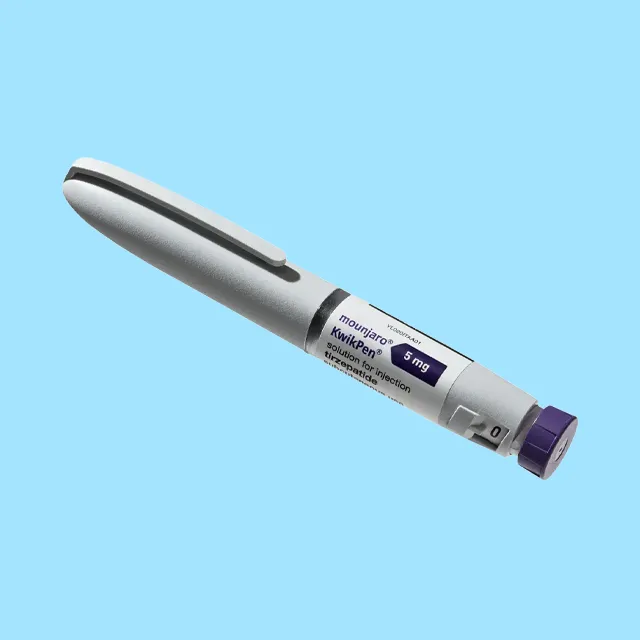
Mounjaro (tirzepatide) works on two hormone systems at once, GIP as well as GLP-1. In the SURMOUNT-1 trial, people on the highest dose lost around 21 percent of their body weight on average over 72 weeks.
Both are prescription medicines: a doctor assesses you, prescribes if treatment is right for you, and an NZ pharmacy dispenses the medicine as pre-filled injector pens with verified contents and doses. Both are started low and stepped up gradually to keep side effects manageable, most commonly nausea and constipation, which are usually temporary and respond well to practical management.
Neither is funded by Pharmac for weight management, so you pay the pharmacy price. Cost is a real factor, and it deserves a straight conversation rather than a workaround; we have written honestly about it in Why cheap peptides are expensive. Other prescription options beyond the injections also exist, and an assessment is where you find out what fits your situation.
Weight-loss injections are medical treatment for a chronic condition, not a cosmetic product. Obesity was formally recognised by the 2025 Lancet Commission as a chronic, relapsing disease, which is exactly how these medicines should be framed: long-term treatment that works while you take it, planned with a doctor, wrapped in the food, movement, sleep and support work that decides how well it goes.
Broadly, treatment suits adults whose weight is affecting their health and who have not been able to shift it sustainably with lifestyle change alone; eligibility involves BMI thresholds and your wider health picture, which is precisely what an assessment works through. It is not for pregnancy, and anyone who could become pregnant needs a plan around contraception and timing. Some conditions and medicines rule these treatments out or require care, which is why the assessment can end in a no; a service that never says no is not assessing you.
One more thing said plainly, because it matters: if your relationship with food or your body is a struggle in itself, or you have a history of an eating disorder, tell the clinician. That is not a door slammed shut. It means treatment, if it goes ahead, is planned with the right support around it, and the goal stays where it belongs: your health, not the smallest possible number.
Ask the internet about weight-loss injections in 2026 and one name keeps surfacing: retatrutide. It is real, it is Eli Lilly's next-generation triple agonist, and its trial results have been remarkable, with phase 3 participants losing around 28 percent of body weight on average over 80 weeks. It was also the drug in that $200 vial from the Re: News story, which tells you everything about how the black market works.
Because here is retatrutide's actual status: it is not approved anywhere in the world. It remains in clinical trials; its manufacturer plans to file for its first approval in the United States in early 2027, and Medsafe approval here would come after that. Every legitimate gram of it sits inside supervised trials. Whatever arrives in an unmarked vial from social media is, by definition, not that. Testing of black-market peptides in New Zealand has been unable to confirm what they contain at all.
The patient version: a very promising medicine is coming, probably. It is not here, nobody can legally sell it to you, and anyone offering it today is selling an unknown. The full story, including the trial numbers and realistic timelines, is in Retatrutide in New Zealand: what it is, what the trials show, and why you cannot buy it yet.
The legitimate path in New Zealand is more straightforward than most people expect, and every step exists to protect you:
Anything sold to you outside that chain, however slick the website, is a different product with none of those guarantees. Our checklist for vetting any provider is here: How to tell a legitimate online health service from a black-market seller.
It is worth being concrete about what the two paths actually deliver, because the black-market pitch depends on you never comparing them:
And the quiet cost: even when nothing dramatic goes wrong, going it alone reliably delivers less. The trial results everyone quotes were produced inside structured care. Without it, people get smaller results, quit earlier, and regain, which makes the cheap route the expensive one. The full ledger is in Why cheap peptides are expensive, and the news story that shows where the road goes is covered in The $200 vial.
No judgement, truly. People end up there because treatment is expensive and wanting your health back is nothing to be ashamed of. Three things are worth doing: get anything you have via the NZ Drug Foundation's free, confidential drug checking so you know what it is; tell a doctor what you have been taking, which is safe and confidential and makes your care real; and if you ever feel unwell after injecting anything, call Healthline on 0800 611 116, or 111 in an emergency. For the conversation with someone you are worried about, we have written a guide to helping without shame: Worried someone you love is injecting black-market peptides?
The injection is one part of treatment, not the whole treatment. Protein, strength work, regular meals, sleep and support are what turn a medicine into a result that lasts, and there is free help available for much of it, including Health Improvement Practitioners at many NZ practices. That whole playbook is our other complete guide: Getting the best results on Wegovy or Mounjaro.
Are weight-loss injections legal in NZ? Yes, with a prescription. Wegovy and Mounjaro are Medsafe-approved; a doctor prescribes and a pharmacy dispenses.
Is it legal to buy peptides online without a prescription? No. Since December 2025 most peptides sold for these purposes are prescription medicines, and unauthorised import, sale or possession can breach the Medicines Act 1981. "Research purposes only" disclaimers change nothing.
Is black-market tirzepatide the same as Mounjaro? No. It shares a name. Pharmacy medicine is verified at every step; black-market vials are unidentifiable powders. NZ testing could not confirm their contents.
Can I get retatrutide in NZ? Not legally, from anyone. It is unapproved worldwide and still in trials. Anything sold as retatrutide here is an unknown substance.
Do the injections work without lifestyle change? They work best, and keep working, as part of whole-of-health care: food, movement, sleep and support. That is how every major trial ran, and it is how good treatment runs.
Well Revolution is a New Zealand telehealth clinic. Weight-management treatment with us starts with an online assessment reviewed by an NZ-registered doctor, who prescribes only if treatment is safe and right for you. Medicines are dispensed by NZ pharmacies, pricing is upfront, and your care team, human clinicians supported openly by AI, stays with you through titration, side effects, plateaus and maintenance planning. Everything in this guide is the standard we built the service to meet.
This article is general information, not personal medical advice. Your own treatment decisions always come from your prescriber.
Existing members: log in at member.wellrevolution.com and start a priority chat any time you need us.
New to Well Revolution? Start an online weight management assessment and one of our NZ-registered doctors will review whether treatment is right for you.
Concerned, need advice, a prescription, refill or referral?
Chat with a GP now